Deep Well (Construction Dewatering)
A deep well system is a form of construction dewatering used to control groundwater in deep excavations and high-permeability soil conditions. It is commonly implemented where excavation depths exceed the effective limits of wellpoint systems or where significant groundwater inflow must be managed.
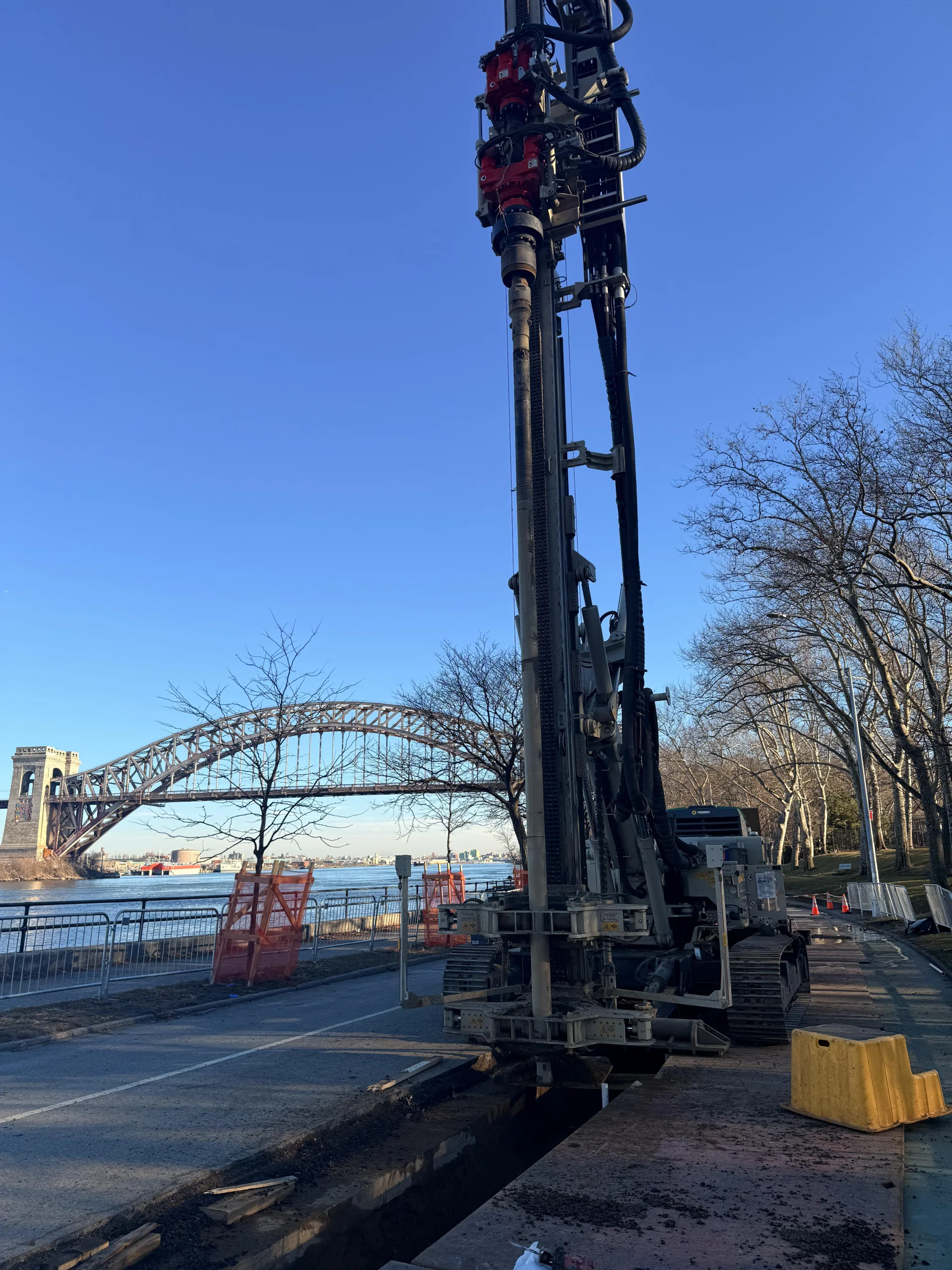
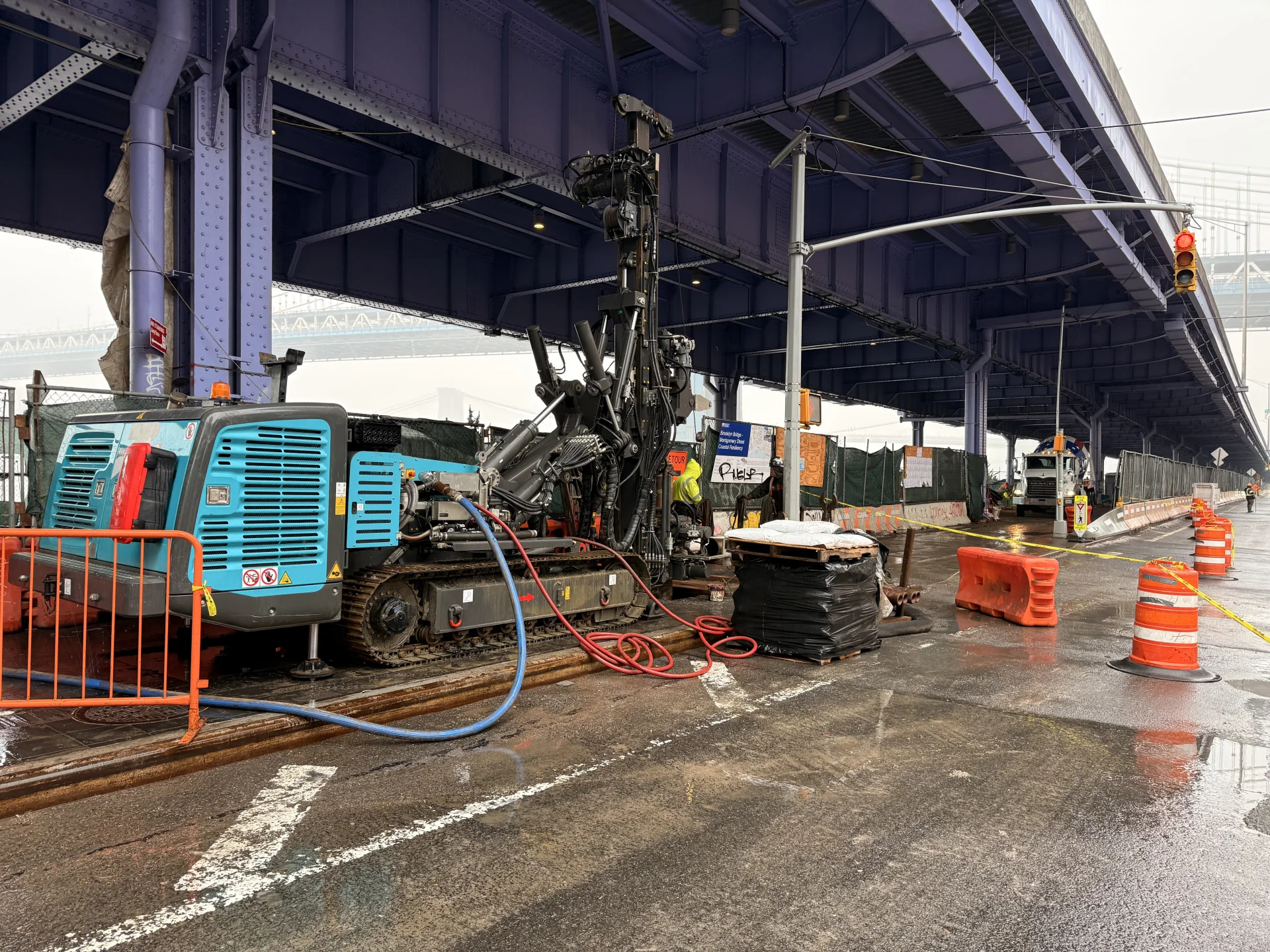
A deep well system is installed by drilling a series of vertical wells around or within the excavation area. Each well is fitted with a submersible pump, allowing groundwater to be continuously removed and the water table lowered to a safe working elevation. The system is typically installed prior to excavation and operates throughout the construction process to maintain dry and workable site conditions.
Deep well systems are highly effective for large-scale excavations, foundations, utility installations, and infrastructure work. They provide reliable groundwater control, reduce hydrostatic pressure, and help prevent soil instability, base heave, and flooding during construction.
The advantages of a deep well system include the ability to handle greater depths, higher pumping capacities, and improved performance in granular soils compared to other dewatering methods. This results in a safer work environment, increased productivity, and reduced risk of project delays.
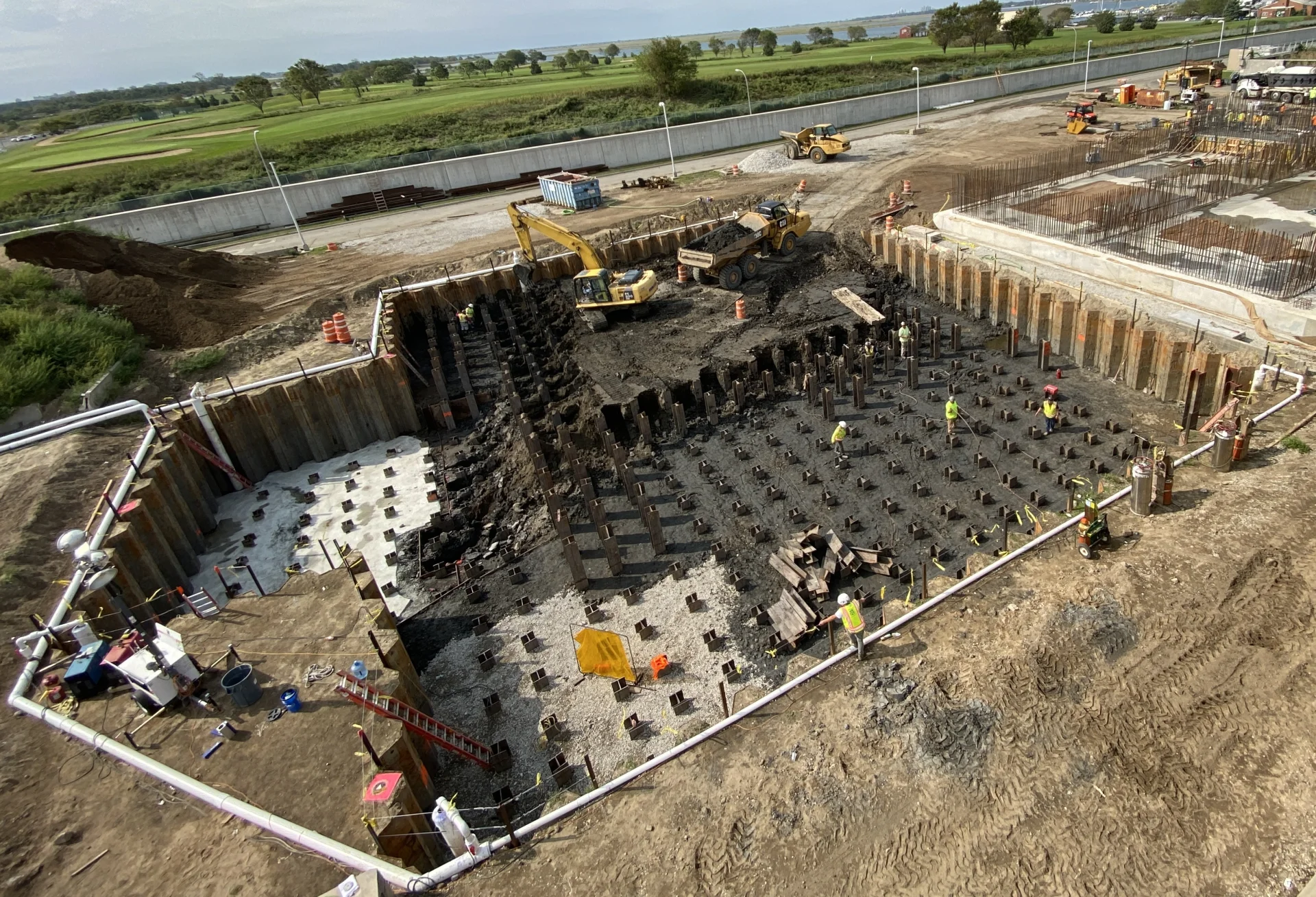
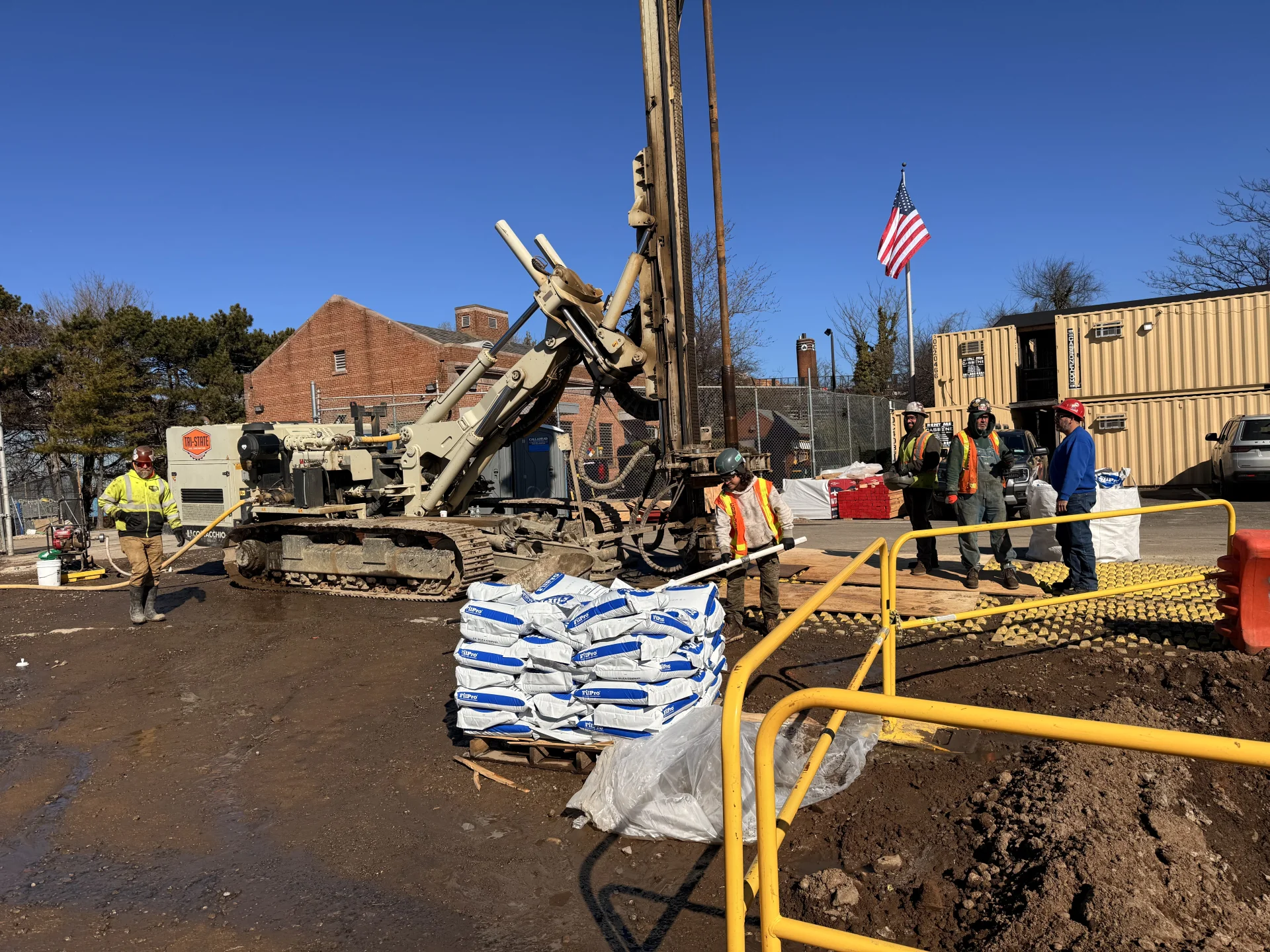
This picture is a typical deep well system we installed at Bay Park WWTP in Long Island, NY.

 862.336.9700
 45 Whitney Rd, Mahwah, NJ 07430