
Well Points (Construction Dewatering)
A wellpoint system is a widely used method of construction dewatering designed to control groundwater in shallow to moderate depth excavations. It is particularly effective in granular soils such as sand and silt, where lowering the groundwater table is essential to maintain stable and dry working conditions.
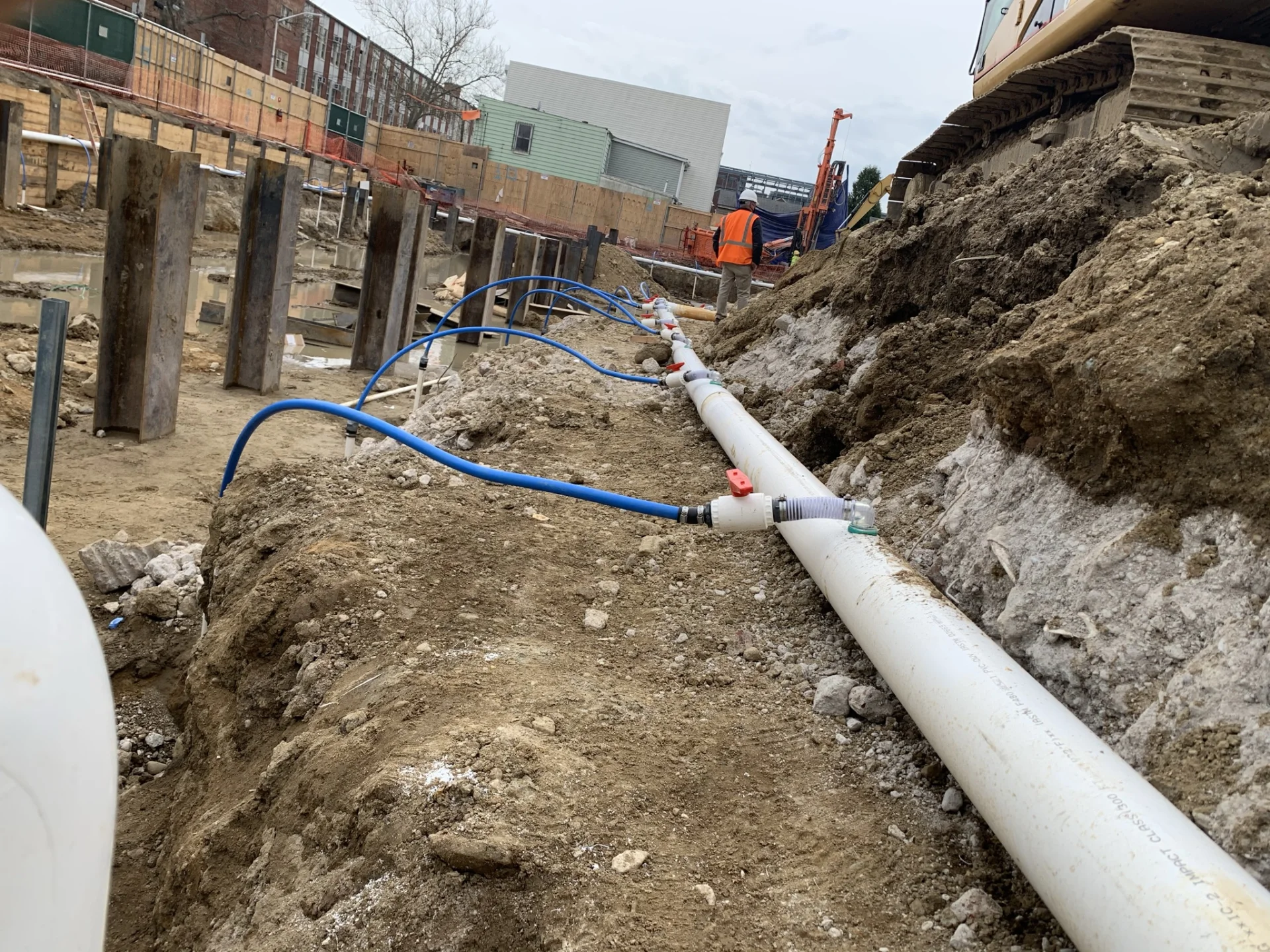
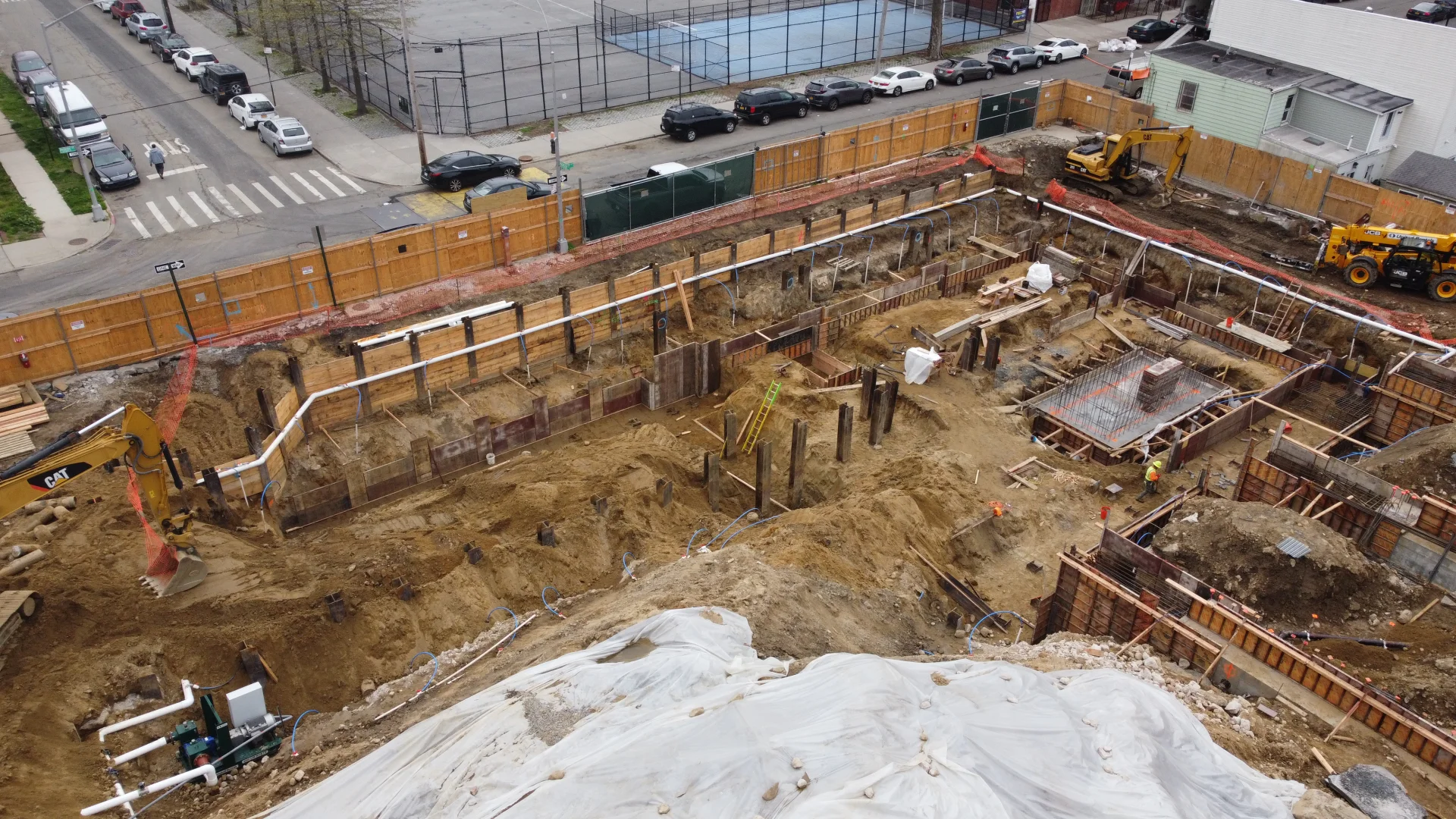
A wellpoint system consists of a series of closely spaced small-diameter wells (wellpoints) installed along the perimeter of the excavation. These wellpoints are connected to a header pipe and a vacuum-assisted pump system, which continuously removes groundwater and lowers the water table to the desired elevation. The system is typically installed prior to excavation and operates throughout the construction process.
Wellpoint systems are commonly used for trenching, utility installations, foundation work, and other projects where excavation depths are within the effective range of vacuum dewatering. The system provides uniform groundwater control, minimizes soil disturbance, and helps prevent sloughing, piping, and localized instability.
The advantages of a wellpoint system include quick installation, flexibility to adapt to site conditions, and cost-effectiveness for shallow excavations. It offers a reliable solution to maintain safe, dry conditions while supporting efficient project progress.
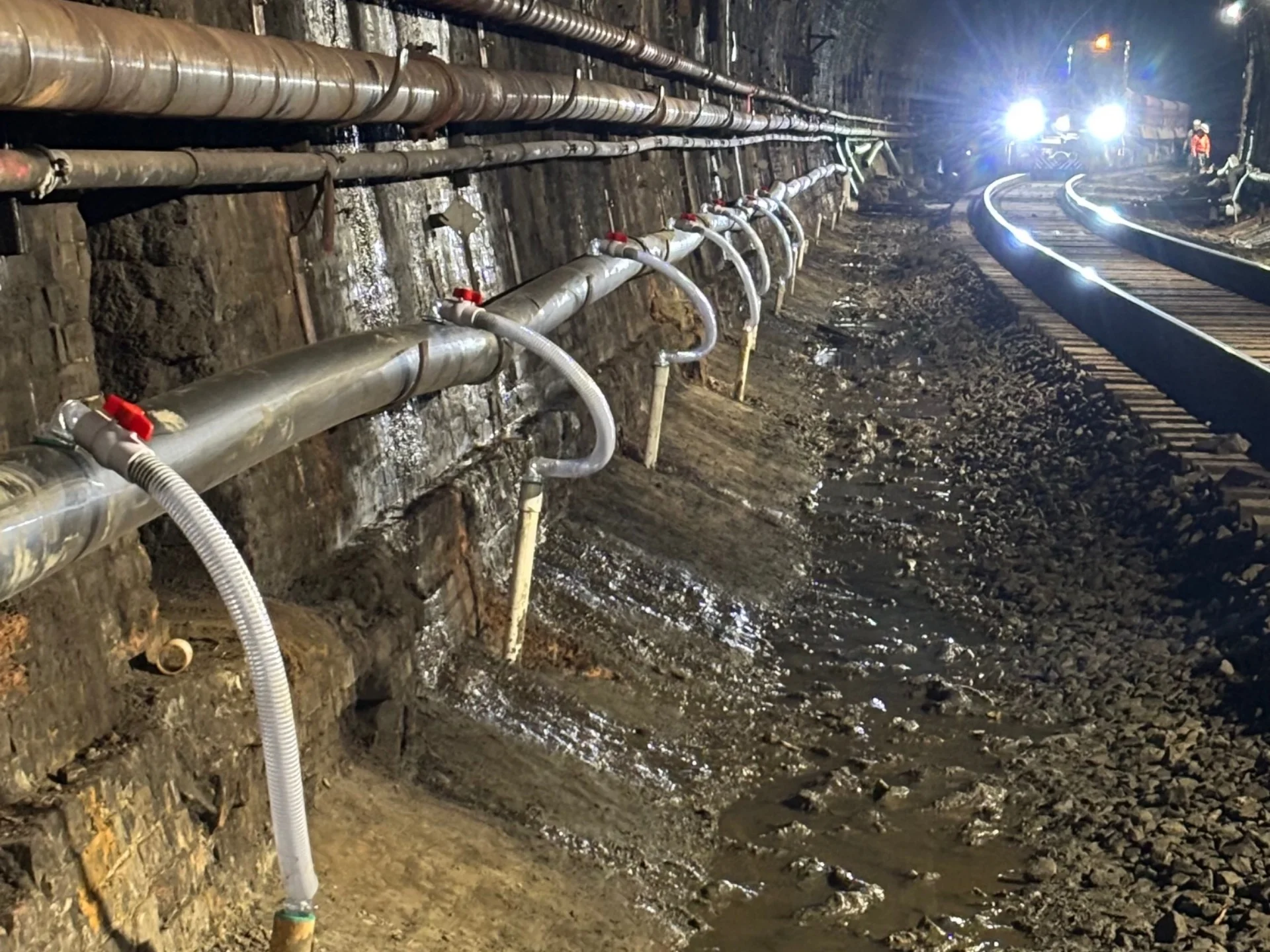
This picture is a typical wellpoint system we recently installed for a CSX tunnel project in Baltimore, MD.

 862.336.9700
 45 Whitney Rd, Mahwah, NJ 07430