Jet Grouting
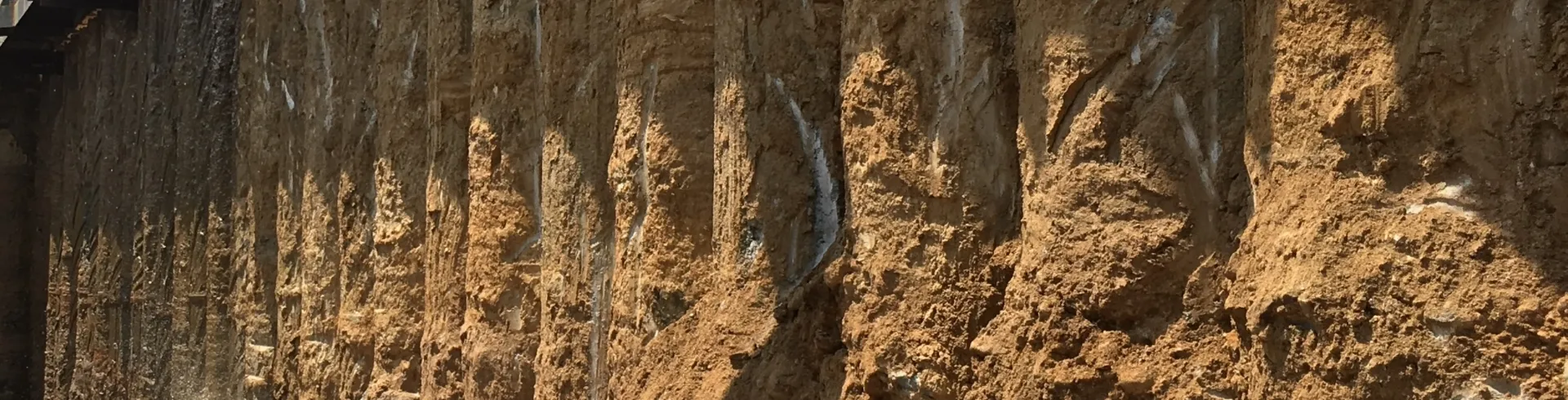
Jet grouting is a ground improvement technique used to strengthen weak soils, reduce permeability, and create structural support elements below existing or proposed structures. Jet grouting can be performed in limited-access areas due to the compact equipment options available. The process involves drilling to the design depth and then injecting high-pressure cement grout through specialized nozzles while rotating and withdrawing the drill string. The high-energy grout jet erodes and mixes the in-situ soils, creating soil-cement columns with engineered strength and stiffness properties. Jet grouting can be used to create individual columns, panels, or mass-treated zones, allowing it to achieve high compressive strengths and provide support for foundations, excavation stabilization, groundwater cutoff systems, and underpinning applications.
Permeation Grouting
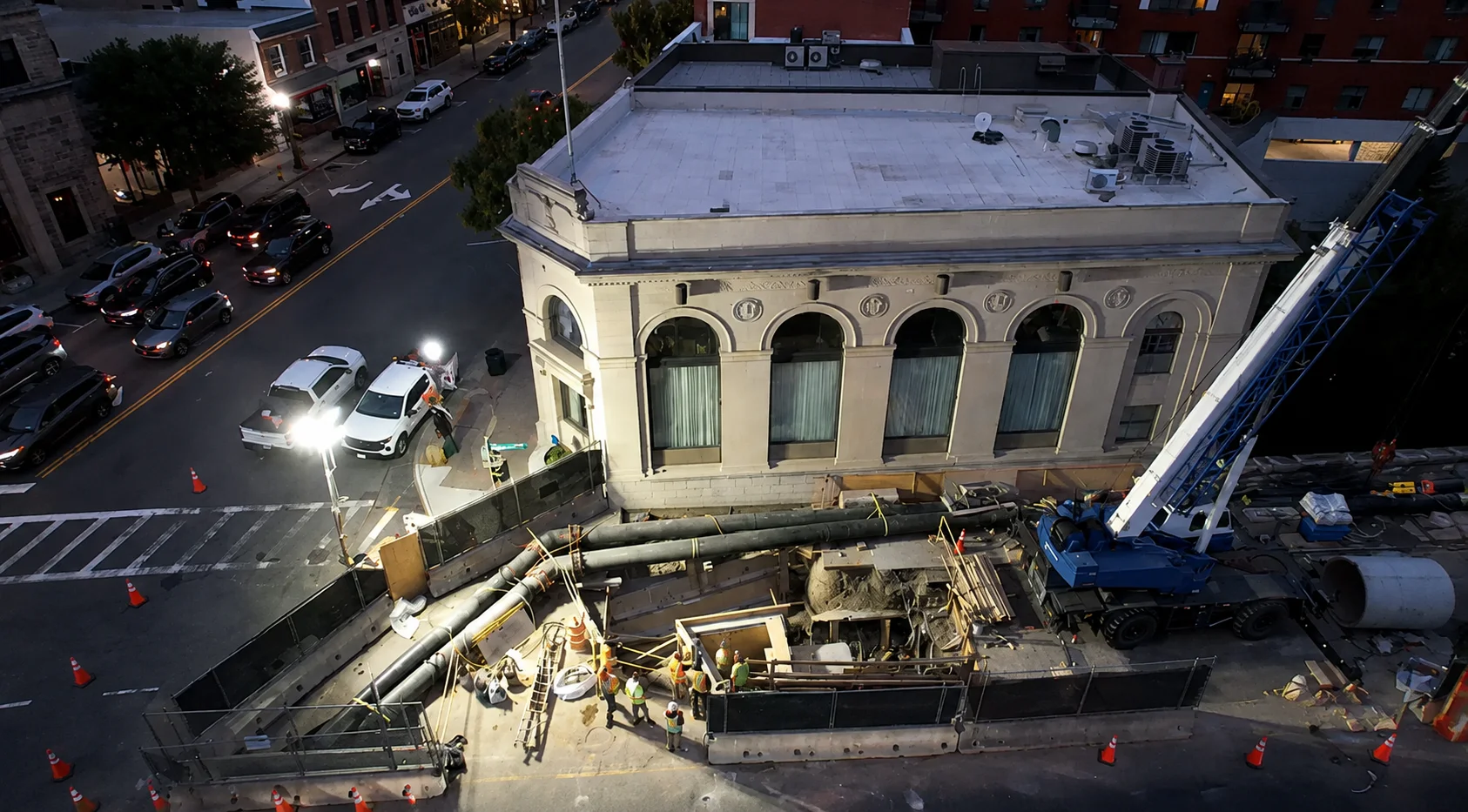
Permeation grouting is a ground improvement technique used to increase soil strength and reduce permeability without disturbing the existing soil structure. Permeation grouting can be performed in limited-access areas and is particularly effective in granular soils such as sands and gravels. The process involves drilling or installing grout pipes to the required depth and injecting a low-viscosity grout under controlled pressure. The grout permeates the void spaces between soil particles, displacing groundwater and bonding the soil mass together while preserving its natural structure. This allows permeation grouting to improve bearing capacity, reduce settlement potential, control groundwater infiltration, and provide stabilization for foundations, tunnels, shafts, and excavation support systems.
Compaction Grouting
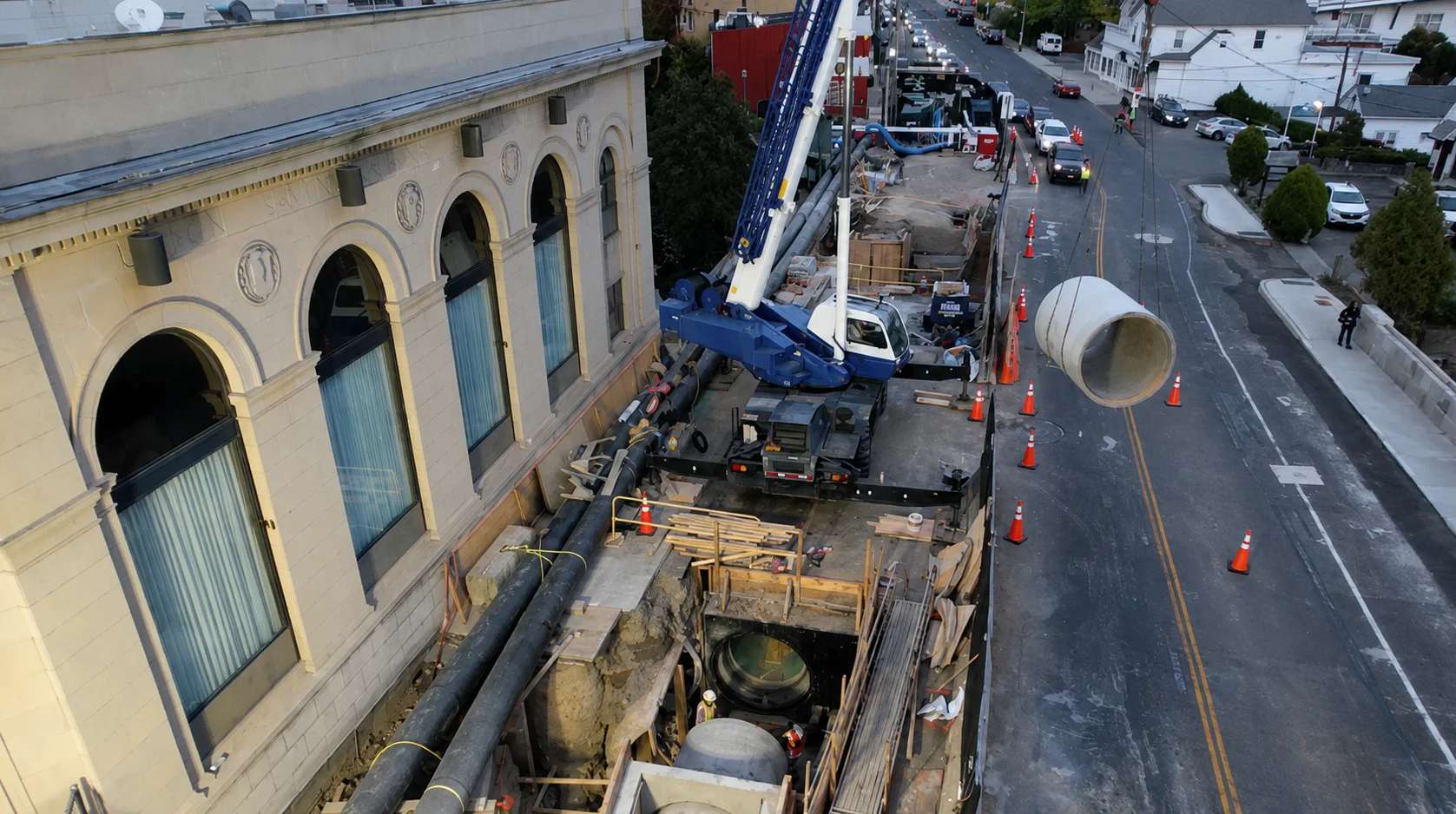
Compaction grouting is a ground improvement technique used to densify loose soils, mitigate settlement, and improve bearing capacity beneath existing or proposed structures. Compaction grouting can be performed in limited-access areas due to the versatility of the equipment and installation methods available. The process involves drilling to the design depth and injecting a low-mobility, stiff grout under controlled pressure. As the grout is placed, it forms discrete bulbs that displace and compact the surrounding soils without permeating or mixing with them. The grout is installed in stages from the bottom up, creating a densified zone of improved ground. This allows compaction grouting to increase soil density, reduce voids, control settlement, and provide support for foundations, slabs, embankments, and structures affected by subsurface instability.

 862.336.9700
 45 Whitney Rd, Mahwah, NJ 07430